Parul: Sparks of Hope, Skills for Life – Empowering Inmates through Livelihood Skills in Traditional Lantern Making
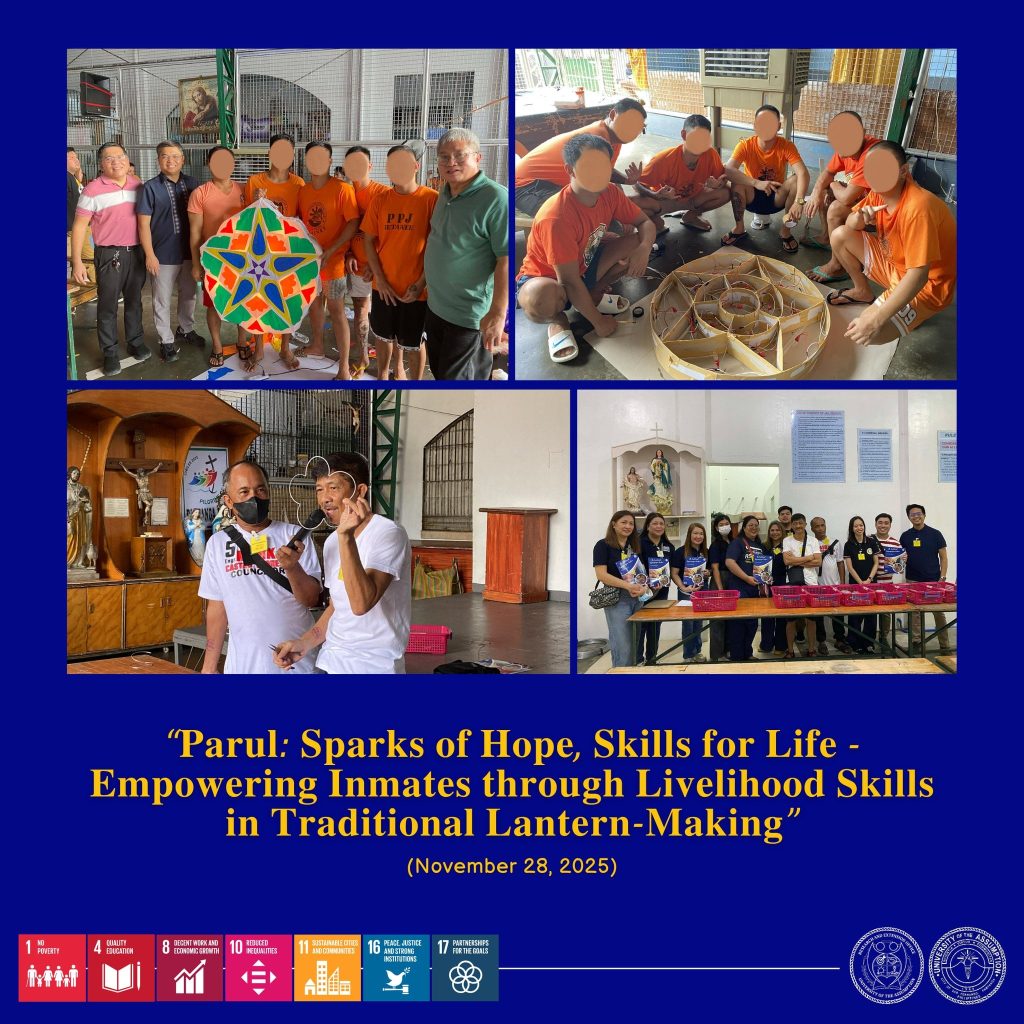
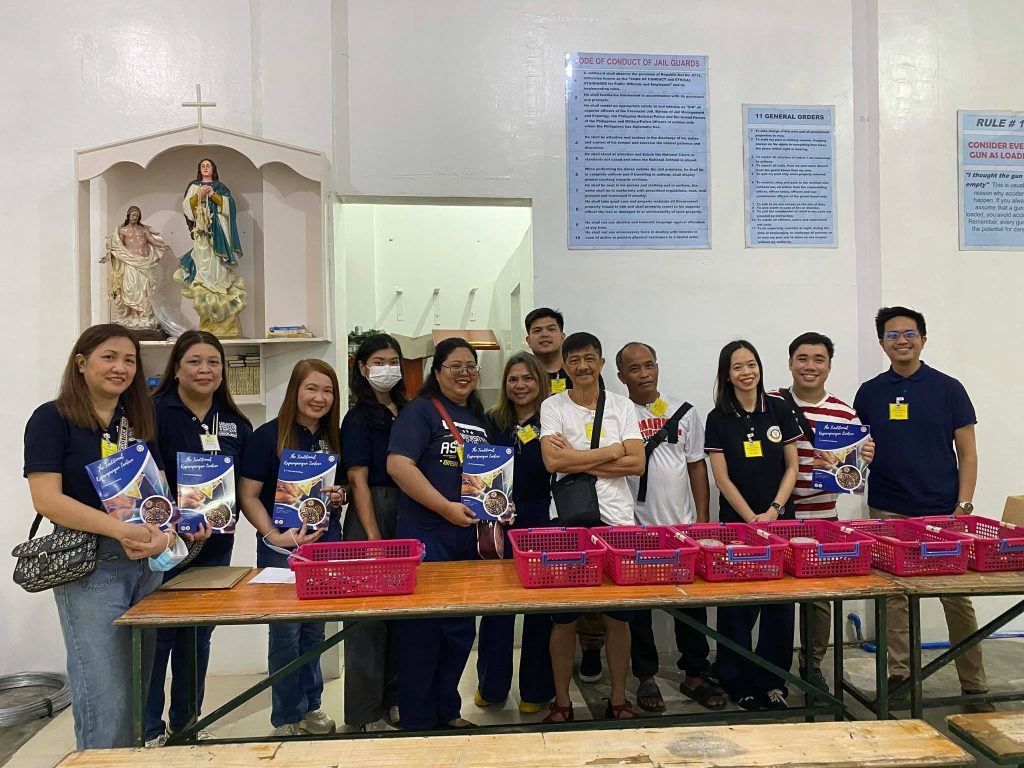
The research and Extension Office (REO), in collaboration with the University of the Assumption Junior High School (UA-JHS) Science Department and the Center for Holistic Advancement of Religious Instruction, Spirituality, and Mission (CHARISM), successfully implemented a lantern-making livelihood skills training for Persons Deprived of Liberty (PDLs) at the Pampanga Provincial Jail on November 28, 2025. This initiative formed part of the University’s continuing efforts to deliver restorative, transformative, and skill-building community engagement programs.
This activity was conducted under the vision of Rev. Fr. Oliver G. Yalung, University President, whose leadership emphasizes community upliftment and rehabilitation-oriented programs, and under the direction of Dr. Arnel T. Sicat, Vice President for Academic Affairs. The coordination and preparatory support of the HANDS Office, lead by Mr. Norbert Garcia, and the presence of CHARISM further unsured the smooth implementation of the program. The program progressed through the following sequence of activities:
I. Opening and Orientation
The program commenced with a welcoming message from the Pampanga Provincial Jail administraion, followed by the introduction of the facilitation team. Mr. Kenneth Dizon presented the objectives of the activity, emphasizing the importance of lantern-making as both a cultural heritage craft and a potential livelihood skill that can support the PDLs’ future reintegration into the community. The orientation underscored the dual purpose of the program: creative expression and sustainable income generation.
II. Background Discussion on Parul (Kapampangan Lantern-Making)
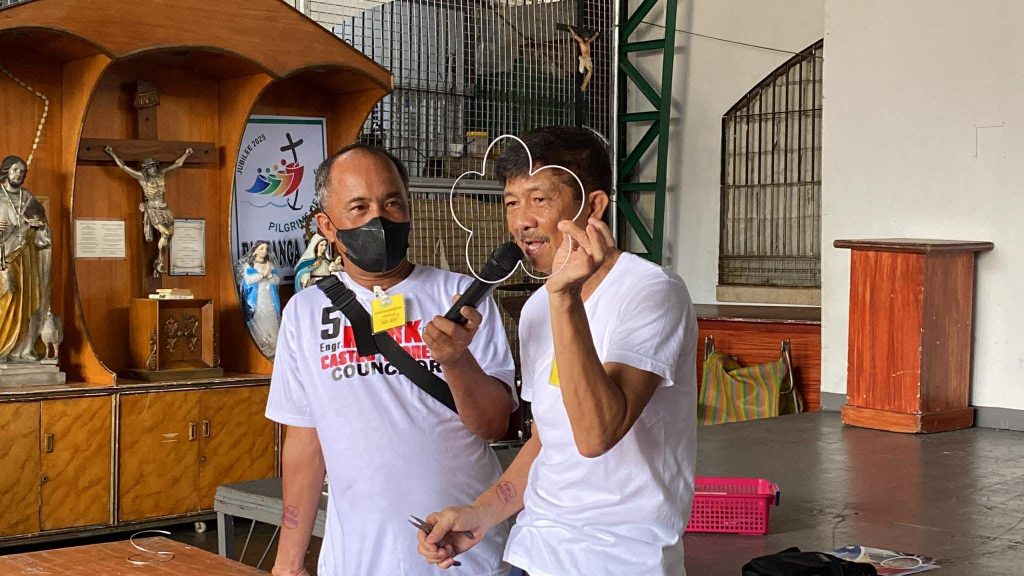
A comprehensive discussion on the cultural and tecnical foundations of latern production was delivered by Mr. Roland Quiambao, lantern expert and resource speaker. He discussed the four basic parts of a tradtional Kapampangan lantern and elaborated on the ten-step process involved in the first phase of lantern design. This segment provided contextual grounding, enabling participants to appreciate both the craftsmanship and the heritage significance of the parul.
III. Demonstration of the Ten Steps in Lantern Construction
Following the discussion, Mr. Quiambao conducted a live demonstration of the ste-by-step lantern-making process. The demonstration highlighted essential techniques in framing, soldering, shaping, and assembling materials, which served as the practical guide for the workshop.
IV. Hands-On Workshop with Guidance from UA JHS Teachers
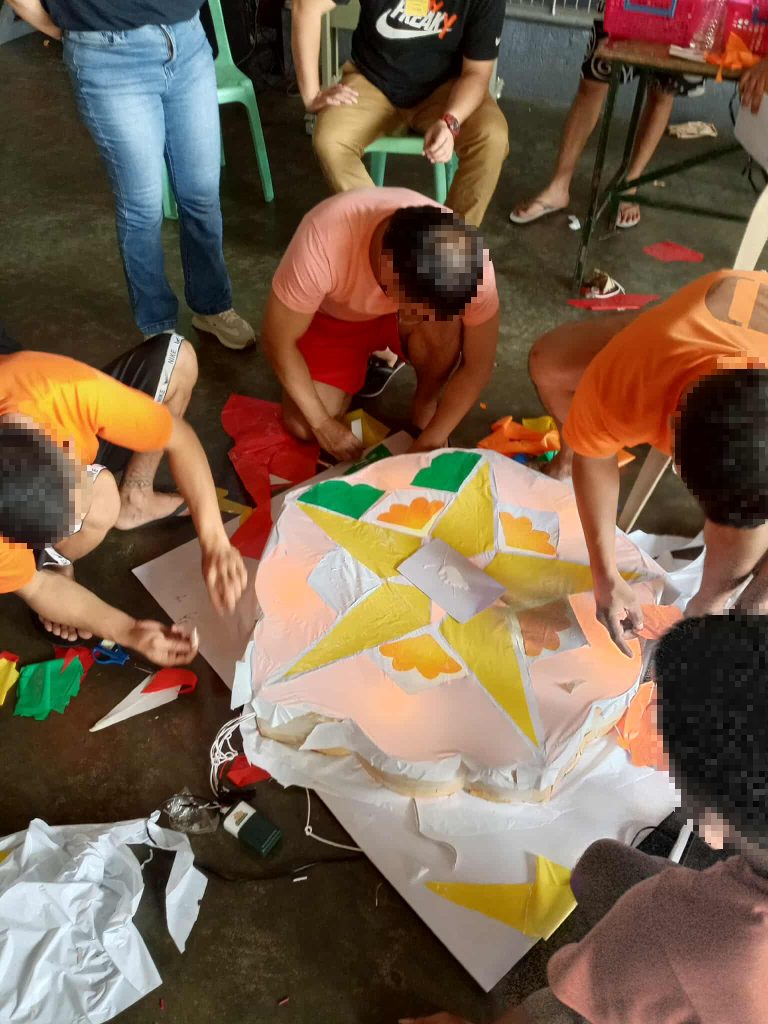
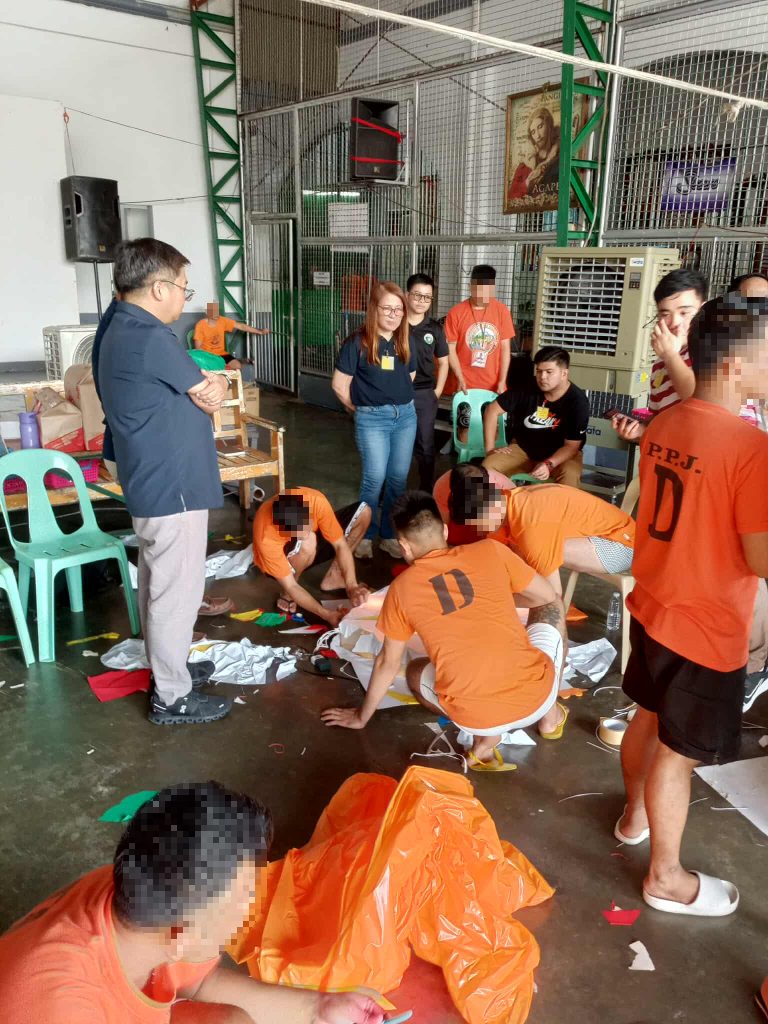
The hands-on portion of the activity was facilitated by the Science teachers of UA-JHS, headed by Ms. Rachelle Infante, whose guidance ensured that each participant received direct, technical support. The teachers assisted the PDLs in soldering wire components and assembling structural parts of the lanterns.
V. Guided Practice Using the Training Module
The participants proceeded to work independently using the provided training module, with teachers circulating to offer individualized guidance. This segment enabled the PDLs to practice the techniques introduced during the demonstration and apply their learning to produce their own lantern frames.
VI. Output Presentation
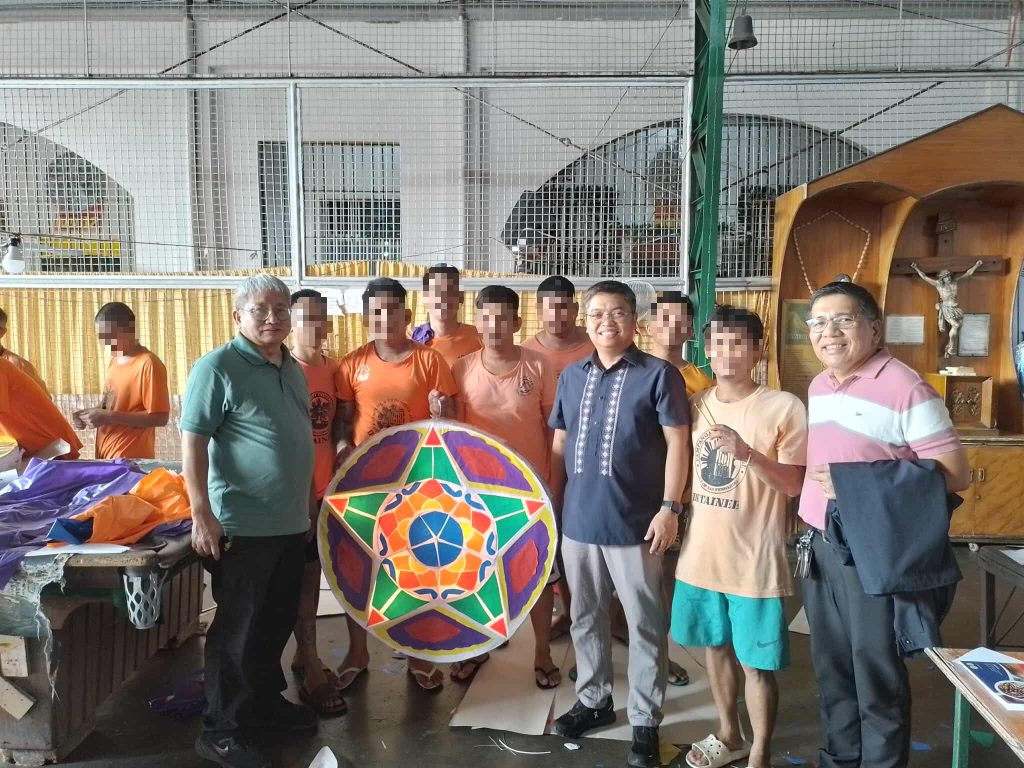
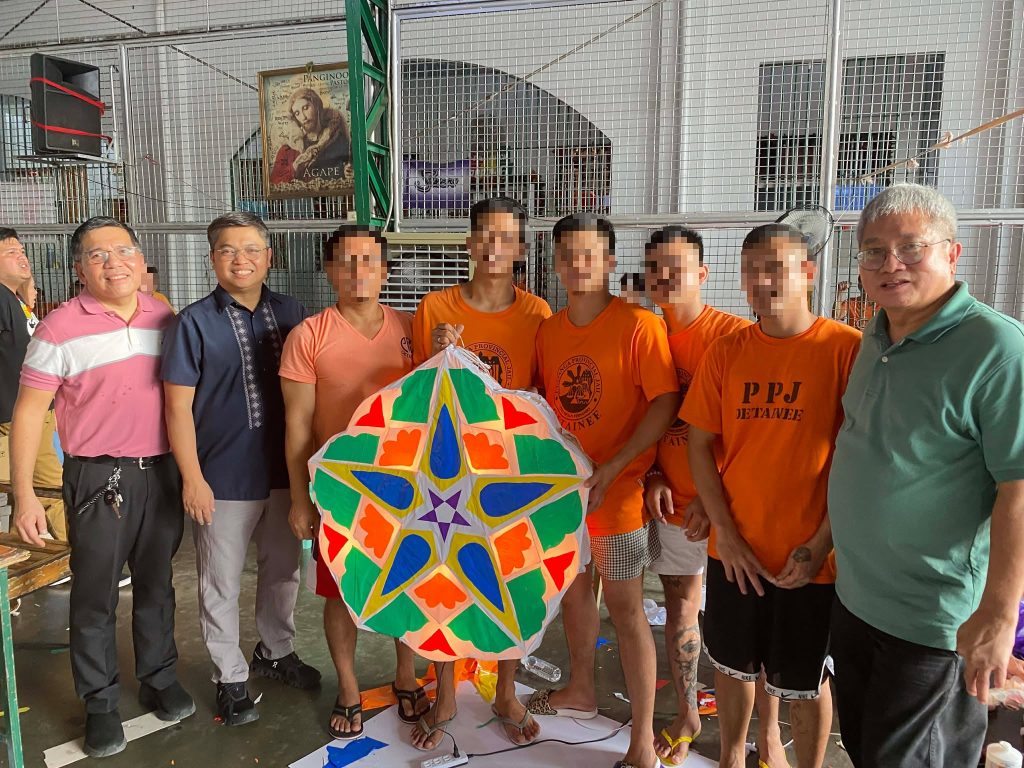
Participants successfully completed the initial phase of lantern construction, producting structurally sound lantern frames aligned with Kapampangan design standards. The outputs reflected the newly acquired skills of the PDLs and demonstrated the potential for livelihood-oriented follow-though programs.
VII. Evaluation and Research-Based Assessment
The research and Extension Office conducted an evaluation to gather insights regarding program effectiveness, skill acquisition, and future program development. Data collected will contribute to research-based improvement of livelihood training initiatives and will inform possible extension and research opportunities related to PDL community rehabilitation and skill empowerment.
VIII. Observation by the University Executive Committee
The later part of the activity was observed by the members of the University Executive Committee:
- Rev. Fr. Oliver G. Yalung, University President
- Rev. Fr. Edgar Calma, Vice President for Administration
- Dr. Arnel T. Sicat, Vice President for Academic Affairs
The visiting executives spent time engaging informally with the participants, viewing their outputs, and conversing with the PDLs about their work and learning experience. Their presence underscored institutional support for rehabilitation and skills-focused programs, while also offering encouragement to the participants as they showcased the outputs they produced.
The lantern-making training successfully met its objectives of fostering creativity, enhancing technical skills, and introducing sustainable livelihood opportunities for Persons Deprived of Liberty. Beyond the outputs, the activity provided a space for dignity, productivity, and community connection – embodying the University’s mission to serve through transformative education and compassionate engagement.
This initiative stands as meaningful example of how cultural heritage, skill-building, and restorative programs can converge to creative positive impact and open doors to brighter futures.
Photos